


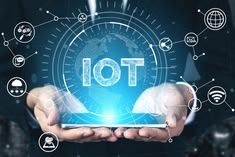
The Internet of Things (IoT) is a network of physical objects such as devices, vehicles, appliances, and machines embedded with sensors, software, and connectivity that enable them to collect, exchange, and act on data autonomously. For instance, let’s say you’re out and forgot to turn off the light, with IoT you can turn it off from wherever you are with your smartphone vai the internet, it’s one of the best things about tech.
How IoT Works
At the heart of the Internet of Things is a simple four-step process:
- Sensors & Devices: Hardware collects data from its environment (e.g., temperature, motion, moisture, or location).
- Connectivity: The collected data is sent to the cloud via Wi-Fi, Bluetooth, cellular networks or satellite.
- Data Processing: Cloud software analyzes the incoming data to decide what action is required.
- Action & Automation: The system either triggers an automated response or alerts the user via a mobile app to make a decision.By the use of Blynks IoT.
Real-World Applications
IoT is transforming everyday life and major industries:
- Smart Homes: Automated thermostats, smart security cameras, and voice-controlled lighting optimize home comfort and energy efficiency.It also makes life easy , you can just control your lights and other IoT tech in the house on your phone, no need to stand up to turn on fans and lights.
- Healthcare & Wearables: Fitness trackers and continuous glucose monitors allow real-time health tracking and remote patient monitoring.
- Smart Cities: Intelligent traffic management, automated waste collection, and smart streetlights reduce urban congestion and resource consumption.
- Industrial & Agriculture: Farmers use soil sensors to optimize irrigation, while manufacturing plants use predictive maintenance to repair machinery before it breaks down.Farmers can also get real time reports of their farms on their phones.
Microprocesses Compatible With IoT
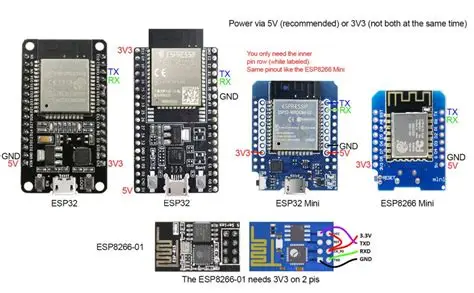
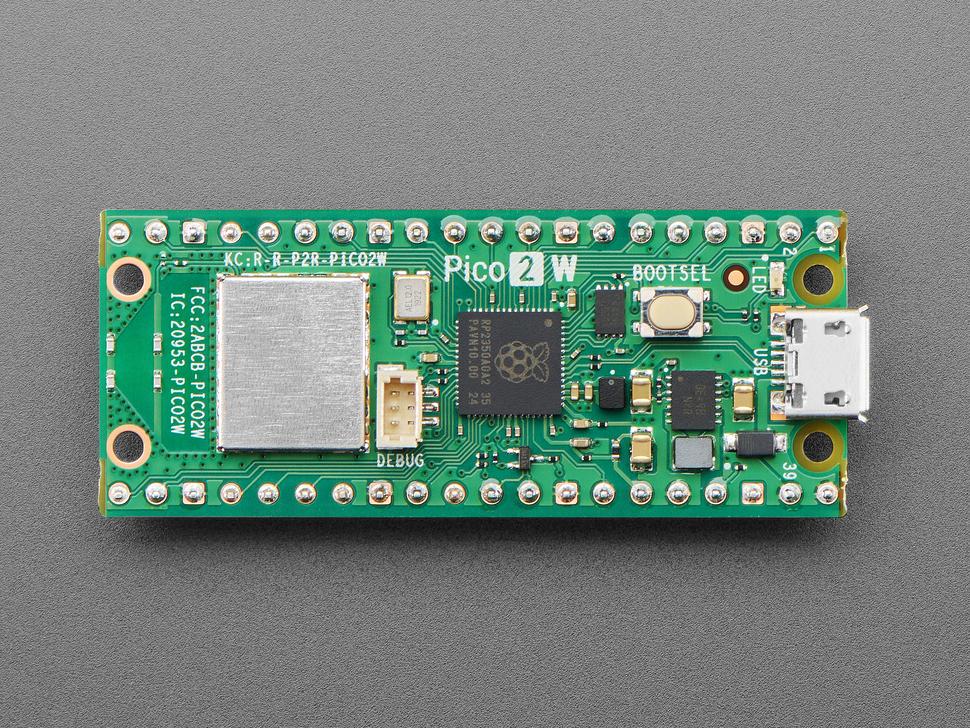
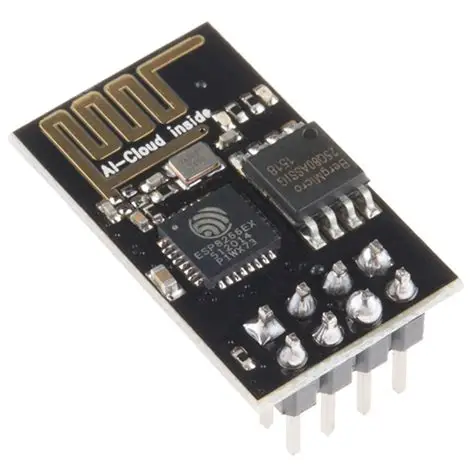
Since IoT works over a network you’d need a microcontroller with an in-built wifi module, some microprocesses are;
- Espressif Esp 32 series.
- Raspberry Pico 2 W and Pico W.
- And microprocesses paired with wifi module.
Key Benefits :
While IoT offers unparalleled efficiency and convenience, it also brings significant considerations:
1. Increased Efficiency and Automation
- IoT automates repetitive tasks in manufacturing, homes, and services, reducing human error and saving time.
- Smart devices (e.g., thermostats, lighting) adjust automatically based on activity.
2. Cost Savings
- Real‑time monitoring helps predict maintenance needs, reducing downtime and repair costs.
- Smart energy systems lower utility bills and optimize resource use.
3. Better Decision‑Making Through Data Insights
- IoT devices generate large datasets that help businesses and healthcare providers make informed decisions.
- Retailers and manufacturers use sensor data to understand customer behavior and improve products.
4. Enhanced Safety and Security
- IoT improves workplace safety through monitoring systems and automated alerts.
- Remote monitoring in healthcare enhances patient safety.
5. Improved Customer Experience
- Businesses use IoT insights to personalize services and enhance customer satisfaction.
- Smart home devices improve convenience and quality of life.
6. Remote Monitoring and Control
- IoT enables remote management of equipment, vehicles, utilities, and home systems.
- Cities use IoT for smart lighting, traffic monitoring, and environmental management.
7. Increased Productivity and Business Opportunities
- IoT boosts productivity by streamlining operations and enabling real‑time machine communication.
- It opens new business models and innovation opportunities across industries.
8. Accurate Analysis and Predictive Capabilities
- IoT systems support predictive maintenance and analytics, reducing failures and optimizing performance.
IoT continues to expand across sectors (such as health , engineering , education , trnsport , military and many more.), offering transformative benefits in efficiency, safety, cost reduction, and data‑driven decision‑making.